
- Posted on
- • K-Drama
5 Best K-Dramas for Beginners: Where to Start Your Binge-Watch Journey
- Author
-
-

- User
- admin
- Posts by this author
- Posts by this author
-
I still remember the exact moment I lost my Saturday to Korean drama. I had planned to watch "just one episode" of Crash Landing on You before doing laundry, eating a real meal, being a functioning adult. Six hours later I was wrapped in a blanket I didn't remember grabbing, the laundry was still in the machine, and I was actively angry at myself for not starting sooner.
That's the thing about K-dramas nobody warns you about. They don't ease you in. They pull you under. And once you're in, the question isn't whether you'll keep watching, it's which one you're starting next.
If you're genuinely new to this corner of television and don't know where to begin, I want to save you from the paralysis of scrolling through fifteen hundred titles on Netflix and ending up watching nothing. These five shows are the ones I'd put in front of anyone who's K-drama-curious but not yet K-drama-consumed. They each hit differently, but they all share something: they're the kind of storytelling that makes you forget you're reading subtitles.
Crash Landing on You, The One That Breaks You Open First
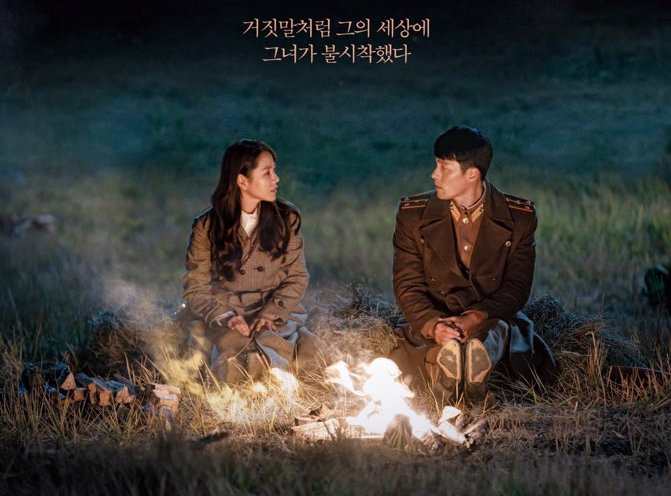
If you're going to start anywhere, start here. I know that sounds like overhyped recommendation territory, but I mean it in the most personal way possible. Crash Landing on You is a romance between a South Korean heiress and a North Korean military officer, she paraglides into a storm, lands in North Korea, and somehow this absurd premise turns into one of the most emotionally grounded love stories I've watched in years.
What I didn't expect was how much the show would make me think about division, not just the political kind, but the kind between people who come from entirely different worlds and somehow still reach for each other. Son Ye-jin and Hyun Bin's chemistry is the obvious thing everyone talks about, but for me the real hook was the texture of the supporting characters. The soldiers who protect her. The village women who become her unlikely friends. The small, lived-in moments of warmth in circumstances that should feel bleak.
By the finale I was genuinely grieving the end of it. Not dramatically. Just quietly. The way you feel after finishing a really good book and sitting with it for a while.
It's also a fairly accessible entry point into K-dramas because it moves at a pace that feels familiar enough if you're used to American prestige TV, but with emotional beats that are just a little more willing to sit in the feeling rather than rush past it.
Squid Game, Because You've Probably Already Heard About It
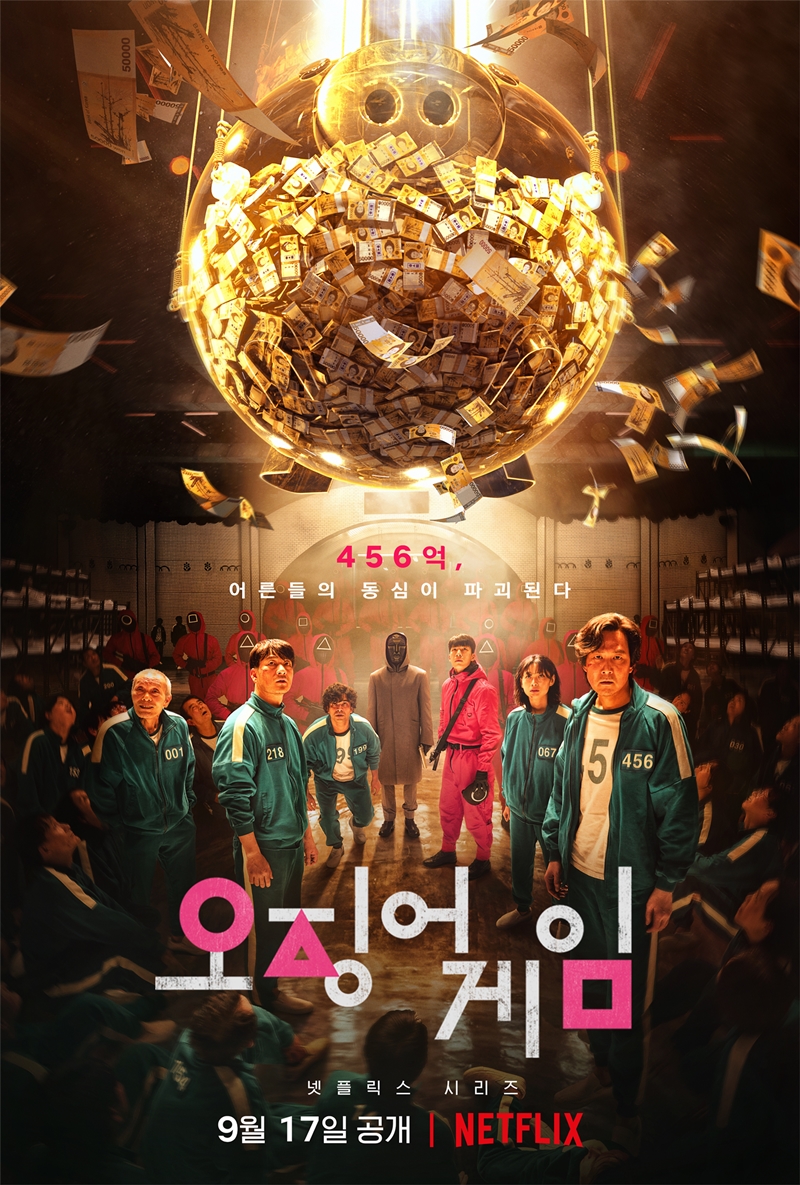
Yes, I'm including it. Because even if you've absorbed the cultural osmosis of knowing what Squid Game is, actually watching it is a different experience. I went in expecting a stylish action thriller and came out slightly disturbed in a way that stayed with me for days, which is, I think, exactly what it intended.
The premise is brutal: hundreds of people drowning in debt agree to play children's games for a cash prize, with the consequence for losing being, well, fatal. But what makes it more than a gimmick is how much it's actually a story about desperation, dignity, and what people are willing to do when the system has already failed them. The characters aren't just players in a death game. They're people who had lives before this, and you feel the weight of that.
Seong Gi-hun is a frustrating protagonist in the best way, he's not particularly admirable, he makes choices that make you want to shake him, and yet you never stop wanting him to make it out. The show's final stretch genuinely surprised me with where it went, and I don't think I'll be forgetting the imagery of certain scenes for a long time.
If you're squeamish about violence, prepare yourself. But if you want to understand why this show hit so hard globally and sparked so many conversations about class and capitalism, watching it yourself is worth more than any explainer article.
Goblin, The One With the Weight of Eternity

Goblin (also titled Guardian: The Lonely and Great God) is not trying to be subtle. It is a show about an immortal goblin cursed to live until someone pulls a sword from his chest, and the only person who can do it is his destined bride. This is the premise. It commits entirely.
And somehow it works in a way I found completely disarming. The romance between the goblin and his human bride, who is young, cheerful, and almost aggressively alive in contrast to his centuries of accumulated grief, is genuinely moving. But what I found myself more drawn to was the relationship between the goblin and the Grim Reaper who ends up as his roommate, which is one of the most quietly affecting friendships I've watched in any TV show, across any country.
The show is doing a lot at once. It's romantic, it's melancholic, it's occasionally funny in a way that sneaks up on you, and it carries a real sadness underneath all of it about what it costs to live forever and what it means to finally be able to let go. Gong Yoo carries the whole thing on his shoulders and does it effortlessly.
The cinematography is also beautiful in a way that feels almost indulgent, there's a visual poetry to how this show was shot that makes certain scenes feel like they're meant to be stills. If you're someone who responds to aesthetics in television, Goblin will give you a lot.
Vincenzo, The One That's Just Genuinely Fun
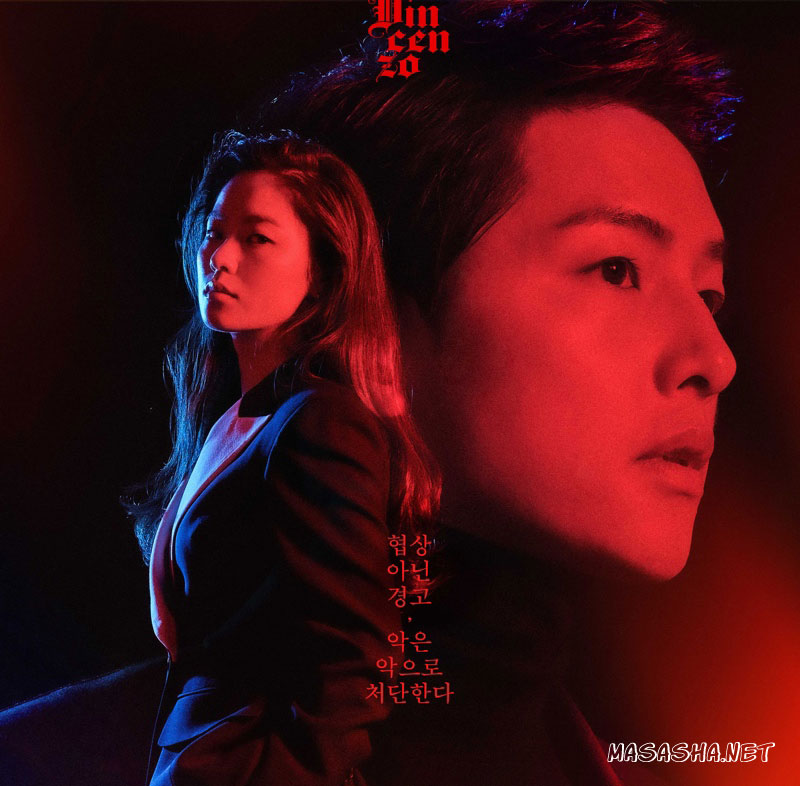
After all the emotional devastation of the previous entries, Vincenzo is the palette cleanser that doesn't feel like a step down. It's slick, confident, and deeply entertaining in a way that's harder to pull off than it looks.
Song Joong-ki plays a Korean-Italian mafia consigliere who returns to Korea and ends up going to war against a corrupt mega-corporation, mostly because they're sitting on top of gold he wants. The show leans into its absurdity without apologizing for it. Villains are cartoonishly awful in a way that's almost cathartic. The protagonist is morally complicated but deeply watchable. The legal drama elements work better than they have any right to.
What I appreciate most about Vincenzo is that it understands its own genre completely. It's not accidentally funny or accidentally stylish, it's playing a specific game and winning it. The ensemble of characters in the Geumga Plaza building become a genuine found family over the course of the series, and their dynamic is the heart of what makes the show work beyond just the thriller mechanics.
I watched this one faster than I expected to, mostly because I kept thinking "just one more" in the way that only happens when a show has genuinely good momentum.
Business Proposal, The One to Watch When You Need Something Light

Business Proposal is pure comfort. I say that with complete affection. It is a show that knows exactly what it wants to be and executes it with a kind of cheerful efficiency that's almost impressive.
The setup is classic rom-com: a woman goes on a blind date disguised as her friend to get rid of the guy, except the guy turns out to be her CEO, who decides to propose on the spot because he's been on too many dates arranged by his grandfather and wants to be done with it. What follows is every romance-drama staple done well, with a cast that has chemistry in every direction and a pacing that doesn't drag.
There's something worth saying about the supporting couple in this show as well. They often get less attention but their storyline is genuinely sweet and plays against type in ways I didn't expect. The show has a warmth to it that makes it easy to return to, I've rewatched chunks of it on days when I just needed something that wasn't going to ask too much of me emotionally.
If someone tells you they want to start K-dramas but the heavier options feel intimidating, Business Proposal is the entry point. It's approachable, it's fun, and it still has enough character to leave an impression.
One More Thing Before You Pick
Something worth knowing going in: K-dramas tend to run between 12 and 16 episodes, with each episode running anywhere from 60 to 90 minutes. That's a meaningful time commitment, especially if you're new to the format. Before you start something tonight, it might be worth figuring out how your schedule actually fits around it, because the last thing you want is to start Crash Landing on You on a Sunday night when you have an early Monday.
Planning to start one of these tonight? Use our [Binge-Watch Time Calculator] on the homepage to see exactly how many hours you're signing up for. It's been genuinely useful for me when I'm trying to figure out whether I can finish something before a trip.
Final Thoughts
Out of these five, the one I'd push hardest for someone completely new to K-dramas is still Crash Landing on You. It has the broadest emotional range, the most accessible pacing, and it doesn't require any prior genre fluency to love. Squid Game is the obvious cultural touchstone. Goblin is for when you want to feel things in a specific, beautiful, lingering way. Vincenzo is for when you want something that moves fast and rewards attention. And Business Proposal is for the evenings when you just want to be happy.
All five of them changed something in how I watch television. That's not a small thing to say.
Personal Rating: 9/10 as a starter pack
Why it works: Each of these shows represents a genuinely different facet of what K-dramas can do, romance, thriller, fantasy, crime-comedy, and light rom-com, so rather than pigeonholing a new viewer into one tone, this list opens a door to the full range. That's what a good beginner guide should do. These five don't overlap in what they're offering, and they each make a strong case for the genre on their own terms.